



Teaching Kids About Gut Bacteria: Simple Activities That Link Soil, Food, and Health

Updated: Mar 24

Soil, food, and health often get taught as separate topics, yet we experience them as one chain. This introduction sets you up to teach gut bacteria through age-appropriate activities, from compost checks to "fiber hunts" in whole foods.
Many families hear about the gut microbiome on the news or from friends. The words sound technical and a bit scary. In reality, gut bacteria are part of everyday life, from the dirt under our feet (and fingernails) to the food on our plates.
This article explains what gut bacteria are in simple language, then offers safe, hands-on activities that help kids connect soil, food, and health. All activities use common household items and basic garden or park soil. They work well for children around ages 6 to 12. No lab gear is required, and parents, teachers, or garden leaders can use these ideas at home, in classrooms, or in clubs.
Gut Bacteria 101 for Kids: Simple Facts Parents Can Explain
Before starting any activity, it helps if adults and children share a basic picture of what gut bacteria are and why they matter. Short, clear explanations work best. You can think of this section as your “cheat sheet” for kid-friendly science.
What Are Gut Bacteria and the Microbiome in Kid-Friendly Language
Bacteria are tiny living things. They are so small that we cannot see them without a microscope. Many bacteria live in water, soil, and on plants. Many also live in and on our bodies.
The “gut” is the long tube that runs from the mouth to the bottom. It includes the stomach and the intestines. Food moves through this tube, gets broken down, and the useful parts get into the blood.
The microbiome is the whole community of microbes that live in and on us. It includes bacteria, fungi, and other tiny life forms. A useful way to describe the microbiome to kids is to compare it to a busy city or a rainforest.
You might say:
“Your gut microbiome is like a tiny city inside your tummy.”
“There are many types of neighbors in that city. Some help build things, some clean up trash, and some help send messages.”
In this “city,” many microbes help us:
Digest food.
Make certain vitamins.
Train our immune system.
Kids often think all “germs” are bad. It helps to explain that some germs cause disease, but many microbes are either harmless or helpful. You can say, “Germs are just tiny living things. Some are troublemakers, but many are helpers.”
How Gut Bacteria Help with Digestion, Immune System, and Mood
Gut bacteria have three big jobs that kids can understand: they help with digestion, immunity, and mood.
1. Digestion
Our own body cannot break down some parts of plants, such as certain fibers. Gut bacteria can eat these fibers and turn them into small substances that our body can use.
You might explain:
“When you eat beans or carrots, your gut bacteria get a snack too.”
“They chew on the parts your body cannot digest and make them into tiny bits that help your gut lining stay healthy.”
2. Immune system
The immune system is the body’s defense team. It guards us against harmful germs. Gut microbes help train this team.
You can say:
“Your gut bacteria help teach your immune system which germs to fight and which ones to ignore.”
“This training can reduce some types of allergies and infections.”
This does not mean kids will never get sick. It means their body may respond in a more balanced way.
3. Mood and brain
The gut and brain talk to each other through nerves and chemicals. Gut bacteria help make some of these chemicals.
For kids, keep it simple:
“Your gut can send messages to your brain.”
“Gut bacteria can help make certain chemicals that affect how you feel and how well you focus.”
It is important to add that mood has many causes. Sleep, stress, friendships, and family life all matter. Gut bacteria are one piece of a larger picture.
The Soil, Food, Gut Connection in Everyday Life

The link between soil, food, and gut health can sound abstract. Simple stories help.
Microbes live:
In soil.
On plant roots.
On the surface of vegetables and fruits.
Here is a clear path you can describe:
Healthy soil has many microbes.
These microbes help plants grow strong by breaking down old leaves and feeding roots.
The plants grow into fruits and vegetables.
We eat those fruits and vegetables.
Plant fibers and plant chemicals help feed our gut bacteria.
Fermented foods connect to this story as well. Yogurt, kefir, and some pickles contain live cultures, which are microbes that can join or support the gut microbiome. In contrast, many ultra processed snacks are low in fiber and do not give gut bacteria much to eat.
Safety messages matter. Encourage kids to:
Wash hands after touching soil.
Rinse vegetables and fruits before eating them.
Keep soil out of the mouth and away from open cuts.
At the same time, normal contact with nature, like playing in a park or helping in a garden, is usually helpful for most children. Extra care may be needed for kids with weakened immune systems.
Hands-On Soil Activities: Showing Kids Where Helpful Microbes Live
Soil is a powerful teaching tool. Kids can see and touch it, which makes the idea of tiny helpers more real.
With those rules in place, you can explore the living world underfoot.
Activity 1: Soil Safari with Magnifiers to Spot Signs of Life

Goal: Help kids see that soil is full of life, even if we cannot see bacteria.
Materials:
Clear plastic cups or jars.
A spoon or small trowel.
A white sheet of paper.
A magnifying glass (optional but useful).
Steps:
Collect small samples of soil from different spots. For example, a garden bed, under a tree, and a patch of bare dirt.
Place one sample at a time on the white paper.
Gently spread the soil and look closely. Kids may spot ants, beetles, worms, bits of roots, and leaves. The magnifying glass can reveal even smaller pieces.
Ask kids to compare the samples. Which has more visible life? Which looks darker or richer?
Key message: Explain that bacteria are even smaller than what they see. Where there are worms, insects, and roots, there are also countless microbes.
You can summarize:
“Soil that looks alive and crumbly usually grows stronger plants.”
“Those plants become the fruits and vegetables that later help feed your gut bacteria.”
Activity 2: Soil vs. Sand Jar Test to Show Which Soil Feeds Plants Best

Goal: Show that not all soil is the same and hint at the role of microbes in “rich” soil.
Materials:
Two clear jars with lids.
Teaspoon or tablespoon.
Water.
One sample of garden soil.
One sample of plain sand.
Steps:
Place the same amount of garden soil in one jar and sand in the other.
Fill each jar with the same amount of water.
Close the lids tightly and shake each jar for 30 seconds.
Set the jars side by side and let them settle.
Ask kids to notice:
Which jar is darker?
Which stays cloudy longer?
Which has floating bits or layers?
Explain in simple terms:
Darker, crumbly soil often has more old plant material, called organic matter.
Microbes help break down this material and help form crumbs and clusters.
Soils with more organic matter tend to hold water and nutrients better, which supports plant growth.
Then connect the dots:
Stronger plants often contain more nutrients and more plant fibers.
When we eat a range of plants, we give our gut bacteria better fuel.
Activity 3: Simple Compost Observation to Link Rotting Food and New Life

Goal: Help kids see how microbes turn old food into material that feeds new plants.
This is not full compost training. It is a basic observation project.
Materials:
Clear container with a loose-fitting lid (such as a large plastic jar).
Small bits of fruit and vegetable scraps (no meat or dairy).
A little soil.
Notebook and pencil.
Steps:
Place a thin layer of soil at the bottom of the container.
Add a small layer of fruit and vegetable scraps.
Cover with another thin layer of soil.
Lightly sprinkle water if everything seems dry. The contents should be damp, not soaked.
Place the lid on top, slightly loose to let some air in.
Once a week, open the container with an adult present. Look, smell, and note what changed. Do not touch the material directly.
Over several weeks, the scraps turn darker and more crumbly. They may shrink in size and smell more like soil.
Key explanation for kids:
“Tiny microbes are eating the food scraps.”
“They are turning them into nutrients that plants can use.”
“Something similar happens in your gut when microbes help break down parts of the food you eat.”
Safety tips:
If mold grows thick and fuzzy, stop opening the container. Dispose of it outside.
Wash hands after handling the container.
Food and Gut Health Activities: Helping Kids Feed Their Microbiome
After kids see that soil life supports plant life, it is easier to discuss food choices. The focus here is on curiosity and learning, not judgment.
Use simple phrases:
“Everyday foods” for items that support health more often.
“Sometimes foods” for treats that are fine in small amounts.
The aim is to show kids that they can feed their gut bacteria in ways that feel positive and doable.
Activity 4: Build a "Gut Bacteria Buffet" With Colorful Fruits and Vegetables

Goal: Make plant variety fun and visual.
Materials:
A mix of colorful fruits and vegetables, for example:
Carrots or sweet potatoes (orange).
Apples or pears (white or light).
Berries or grapes (red, blue, or purple).
Cucumbers or celery (green).
Bell peppers (various colors).
A large plate or muffin tin.
Steps:
Wash and cut the produce into bite-sized pieces.
Ask kids to sort the pieces by color on the plate or in the muffin tin.
Tell them to imagine their gut as a tiny city. Each color of food feeds different “neighbors” in the city.
Invite each child to pick at least one color they do not normally eat and taste a small piece, if safe for them.
Key message:
Different colors often mean different plant chemicals and fibers.
A “rainbow plate” can help build a diverse microbiome.
Budget tip for adults:
Frozen mixed vegetables, frozen berries, and seasonal produce are often cheaper while still rich in fiber and nutrients.
Activity 5: Fiber Hunt in the Kitchen to Spot Foods That Feed Gut Bacteria
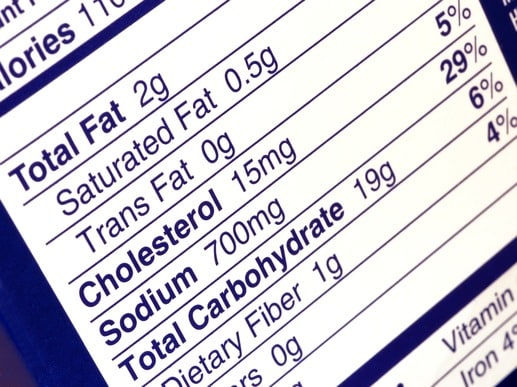
Goal: Teach kids where fiber appears on labels and why it matters.
Materials:
A few packaged foods from the pantry, such as cereals, breads, crackers, beans, and fruit snacks.
A simple chart with two columns:
“More Fiber”
“Less Fiber”
Steps:
Explain that fiber is the part of plant foods that our body cannot digest, but gut bacteria can.
Show kids the nutrition label. Point to where “Dietary Fiber” is listed.
For each item, read the fiber grams per serving together.
Ask the child to sort each item into “More Fiber” or “Less Fiber” on the chart.
Talk about how higher fiber foods are better fuel for gut bacteria and can help with steady energy and regular bathroom habits.
Keep the tone neutral:
Avoid comments like “bad” or “junk.”
Use phrases like “This one feeds your gut bacteria more” or “This is more of a sometimes food.”
This keeps the focus on learning and balance, not guilt.
Games and Visuals: Making the Gut Microbiome Fun and Easy to Remember
Not every child enjoys long talks about science. Art, games, and simple tracking tools can make the gut microbiome easier to picture and remember, without making a mess.
Activity 6: Draw Your Gut City to Show Different Microbe "Neighbors"

Goal: Turn an abstract idea into a picture kids can own.
Materials:
Paper.
Crayons, markers, or colored pencils.
Steps:
Ask kids to draw their gut as a city or garden on the page.
Suggest ideas:
Buildings or garden beds for different microbe groups.
Pipes or paths to show the gut tube.
Delivery trucks or roots to show food arriving.
Ask them to add soil at the bottom, plants in the middle, and a plate or mouth at the top. This draws the soil to plant to plate to gut chain.
Invite them to label parts with words like “bacteria,” “microbiome,” or “helpers” if they are able.
Use the drawing time to repeat key ideas:
Many types of microbes live in the gut.
Each group has a job, such as builders, cleaners, or messengers.
Food choices can change which neighbors grow.
Activity 7: Microbe Tag Game to Show Balance Between Helpful and Harmful Germs

Goal: Use movement to show the idea of balance in the microbiome.
Materials:
Green stickers or bands.
Red stickers or bands.
Open space in a yard, playground, or gym.
A few cones or pictures of fruits and vegetables.
Setup:
Choose a few kids to be “helpful microbes.” Give them green stickers.
Choose fewer kids to be “harmful germs.” Give them red stickers.
The rest of the group are “body cells.”
Round 1:
Body cells spread out in the space.
Helpful microbes and harmful germs run and tag body cells.
If a body cell is tagged by a helpful microbe first, they join arms. This shows protection.
If tagged by a harmful germ first, they freeze in place.
After one or two minutes, stop and look at the pattern. Ask kids what they see.
Round 2: Add food
Place cones or pictures of fruits and vegetables around the space.
New rule:
If a helpful microbe touches a “plant food” cone, they can invite a frozen body cell to join them and unfreeze.
Discuss at the end:
“When there are more helpful microbes, harmful germs have a harder time causing trouble.”
“Eating plants can help your helpful microbes grow.”
For small spaces, turn it into a slow walking game or use a hallway.
Activity 8: Simple Gut Health Tracking Chart for Kids and Parents
Goal: Build awareness of habits without fear or shame.
You can create a simple chart for a week with rows for days and columns like:
Day | Plant colors eaten | Outdoor or garden time | Mood | Bathroom comfort |
Mon | Red, green | 20 minutes park | 🙂 | Easy |

Use symbols, stickers, or simple words. Bathroom comfort can use terms like “easy,” “okay,” or “hard” so that kids do not feel embarrassed.
Guidelines:
Keep the tone light and curious.
Do not tie the chart to rewards or punishments.
Review patterns together. For example, you might notice that more plant colors and outdoor time often match better mood or easier bathroom days.
Make it clear that the chart is not a medical tool. If a child has long term pain, very hard or very loose stools, blood in the stool, or major mood changes, a health professional should assess them.
Safety, Science, and Talking with Kids About Health
Many parents worry about germs, dirt, and food rules. Accurate, calm messages help children feel safe and informed rather than anxious.
Key safety practices for soil play:
Use clean soil when possible. Avoid areas with visible animal droppings, trash, or chemicals.
Wash hands with soap and water after outdoor play and before eating.
Keep fingernails short and clean to reduce trapped dirt.
Cover cuts or scrapes with bandages.
For food activities:
Rinse produce under running water.
Use clean cutting boards, knives, and surfaces.
Keep leftovers in the refrigerator.
Children with weak immune systems, cancer treatment, or severe allergies may need tighter rules. Parents should talk with their doctor before starting soil or fermentation activities with those children.
Normal outdoor experiences, such as gardening, walking barefoot on clean grass, and visiting parks, are usually supportive for most kids. They offer both physical activity and exposure to a wider range of microbes.
How to Answer Kids' Big Questions About Germs and Antibiotics
Kids often ask direct questions. Short, honest answers work well.
Are all germs bad?
You can say:
“No. Germs are tiny living things. Some make us sick, but many help us. Your gut is full of helpful germs that help you digest food and stay healthy.”
Why do doctors give antibiotics?
“Antibiotics are medicines that kill certain harmful bacteria that cause infections.”
“They can save lives when someone has a serious infection.”
Why not use antibiotics for every cold?
“Most colds come from viruses, and antibiotics do not work on viruses.”
“Using antibiotics when we do not need them can cause problems, like bacteria that stop responding to the medicine.”
What happens to gut bacteria when we take antibiotics?
“Antibiotics can kill some of the helpful bacteria in your gut along with the harmful ones.”
“Your microbiome can get out of balance for a while.”
Parents can add that eating plenty of plant foods and sometimes fermented foods after antibiotic treatment may help the microbiome recover. For personal advice, they should speak with a pediatrician or registered dietitian.
When to Talk with a Doctor About a Child’s Gut Health
Educational activities are not treatments. Some signs require medical attention.
Parents should contact a health professional if a child has:
Stomach pain that lasts for weeks or keeps coming back.
Blood in stool.
Strong weight loss without trying.
Chronic diarrhea or constipation.
Serious or sudden mood changes that affect daily life.
Any planned diet change, supplement, or major shift in eating should be discussed with a pediatrician or registered dietitian, especially for children with existing health conditions.
Gentle, daily habits such as eating more plants, playing outside, drinking water, and getting enough sleep tend to support both gut health and general well-being.

Children learn best when they can see, touch, and taste what they study. Gut bacteria and soil life can seem invisible and abstract, yet soil safaris, compost jars, and food “buffets” turn these ideas into real experiences.
Parents and teachers do not need to use every idea at once. Pick one or two that fit your space, time, and your child’s interests. Treat gut health as an ongoing family science project instead of a one-time lesson.
Children who grow up curious about microbes, friendly with plants, and comfortable in nature build a strong base for future health. Share these activities with another family, class, or club, and ask the children in your life what new thing they learned about their invisible gut helpers today.
Start your journey to a healthier, more balanced life with
PIVOT Integrative Consulting, LLC!


Comments